X-ray servicing · Guide · UK 2026
Keeping your dental X-ray and CBCT equipment compliant in the UK
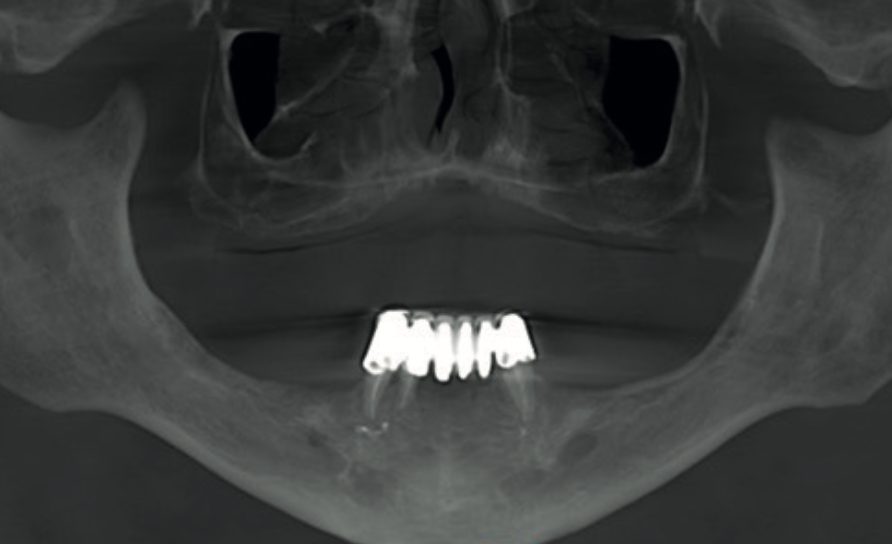
Radiation compliance is one of those topics that only gets attention when an inspection is due or a machine stops working. In my work with practices, the ones that find it easy are the ones that treat it as a routine: a simple QA schedule, tests booked in advance, and a supplier who knows their equipment. This post summarises the main UK requirements as I understand them from the official guidance. It is not legal advice, and your Radiation Protection Adviser (RPA) and Medical Physics Expert (MPE) should always have the final word.
The two sets of regulations
Two sets of regulations apply to dental X-ray equipment in Great Britain:
- The Ionising Radiations Regulations 2017 (IRR17) protect staff and the public. Enforced by the HSE, they cover things like registering your practice with the HSE, appointing an RPA, risk assessments, local rules, controlled areas, and the critical examination of newly installed equipment.
- The Ionising Radiation (Medical Exposure) Regulations 2017 (IR(ME)R) protect patients. They cover justification and optimisation of every exposure, employer's procedures, training of referrers, practitioners and operators, quality assurance, and involvement of an MPE.
Northern Ireland has equivalent regulations. The main practical guidance is the Guidance Notes for Dental Practitioners on the Safe Use of X-ray Equipment (2nd edition, 2020), published by the Faculty of General Dental Practice (now the College of General Dentistry) with UKHSA (formerly PHE).
Critical examination: after installation, relocation or major repair
Under IRR17 the installer is responsible for a critical examination of every installation. It checks that the safety features and warning devices work and that the installation gives adequate protection to staff, other people and patients. The guidance says equipment should not be used clinically until the installer has given written confirmation that it provides adequate protection. A critical examination is also needed after relocation or significant modification or repair, such as replacing the X-ray tube. Separately, the practice should arrange acceptance testing before first clinical use; many installers combine the two.
Routine testing: roughly every three years
The guidance notes recommend routine performance testing at least every three years for intraoral, panoramic and cephalometric equipment, and for most CBCT units. Testing should be annual if patient doses exceed diagnostic reference levels, image quality targets aren't met or QA reveals a significant weakness. Annual testing is also recommended for hand-held intraoral units and for CBCT units where no suitable QA test object is available. Routine tests should also follow any major maintenance. Your RPA/MPE will set the actual interval for your equipment, so check your radiation protection file.
In-house QA: the practice's monthly checks
Between formal tests, the practice runs its own quality assurance programme. For CBCT, the guidance recommends simple monthly checks by the practice using a test object, designed to spot significant changes in performance early. For intraoral and panoramic imaging, QA includes image quality grading and audit, checks on the image receptors and viewing monitors, and keeping records. The detail should be in your written QA programme, agreed with your RPA/MPE.
Records you should be able to find quickly
- HSE registration
- RPA appointment and advice
- Radiation risk assessment and local rules
- Critical examination and acceptance test reports
- Routine test reports and action taken
- QA records and image quality audits
- IR(ME)R employer's procedures and training records
- Service and maintenance records
Why a service contract matters
Radiation safety testing by your RPA/MPE is not the same thing as servicing. Electrical and mechanical maintenance, calibration, software updates and repairs are done by engineers. A service contract keeps that work planned rather than reactive. In practice it helps in three ways:
- Uptime. Planned maintenance catches wear before it causes a breakdown, and agreed response times reduce downtime when something does go wrong.
- Compliance. Major repairs can trigger a critical examination or routine test. A supplier who knows that will plan for it, and keeps the paperwork you need.
- Predictability. You know who to call and what is covered. Costs vary by machine and age, so ask for a quote for your specific equipment.
360V covers this on its CBCT and X-ray servicing and support page, including service contracts for Carestream and Acteon equipment. If you are still choosing equipment, it's worth asking about support before you buy, and factoring it into the total cost of a CBCT. The Carestream CBCT range pages show what is included at installation.
A simple yearly routine
- Monthly: run and record QA checks (CBCT test object, receptor and monitor checks).
- Quarterly: review image quality audit results.
- Annually: review risk assessment, local rules, employer's procedures and training; check when routine tests are due.
- Every three years (or as your RPA advises): routine testing.
- After installation, relocation or major repair: critical examination and any retesting.
Official sources: Guidance Notes for Dental Practitioners on the Safe Use of X-ray Equipment (2nd ed.), IRR17, IR(ME)R 2017.
FAQ
How often does dental X-ray equipment need testing in the UK?
National guidance recommends routine testing at least every three years for intraoral, panoramic and most CBCT equipment, and annually in certain cases (e.g. hand-held units, CBCT without a suitable QA test object, or if doses or image quality are outside targets). Your RPA/MPE sets the interval.
When is a critical examination needed?
After installation, and after relocation or significant modification or repair, such as a tube replacement. The installer carries it out under IRR17.
Is servicing the same as a radiation safety test?
No. Servicing covers electrical and mechanical maintenance and repairs by engineers; radiation safety testing is normally done by or with your RPA/MPE.
What does the practice do itself?
Runs an in-house QA programme: for CBCT, monthly checks with a test object, plus image quality audit and record keeping for all equipment.